ORGANIC VITICULTURE
01. IN THE VINEYARD
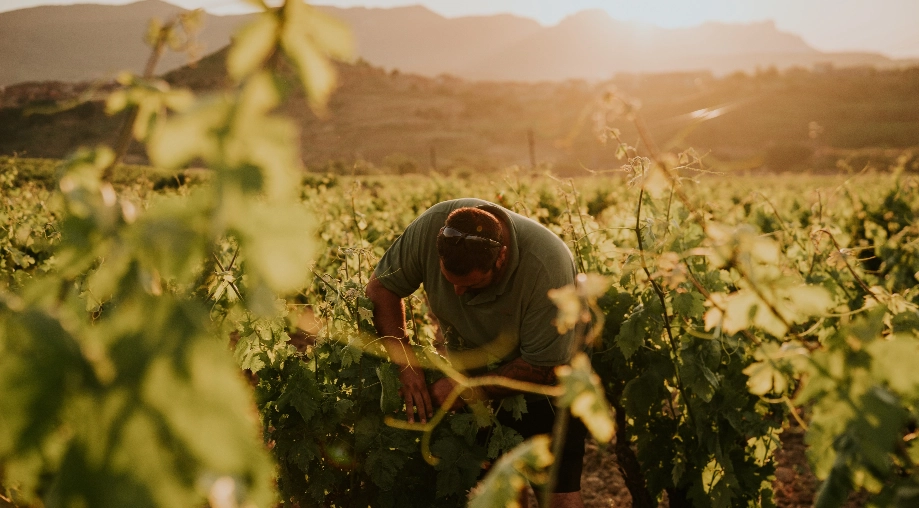
Viña Ijalba owns an area of almost 90 hectares of its own vineyards, on which it has been undertaking organic cultivation since 1994, applying for registration in the organic agriculture registers in 1996.
The production and cultivation techniques used are:
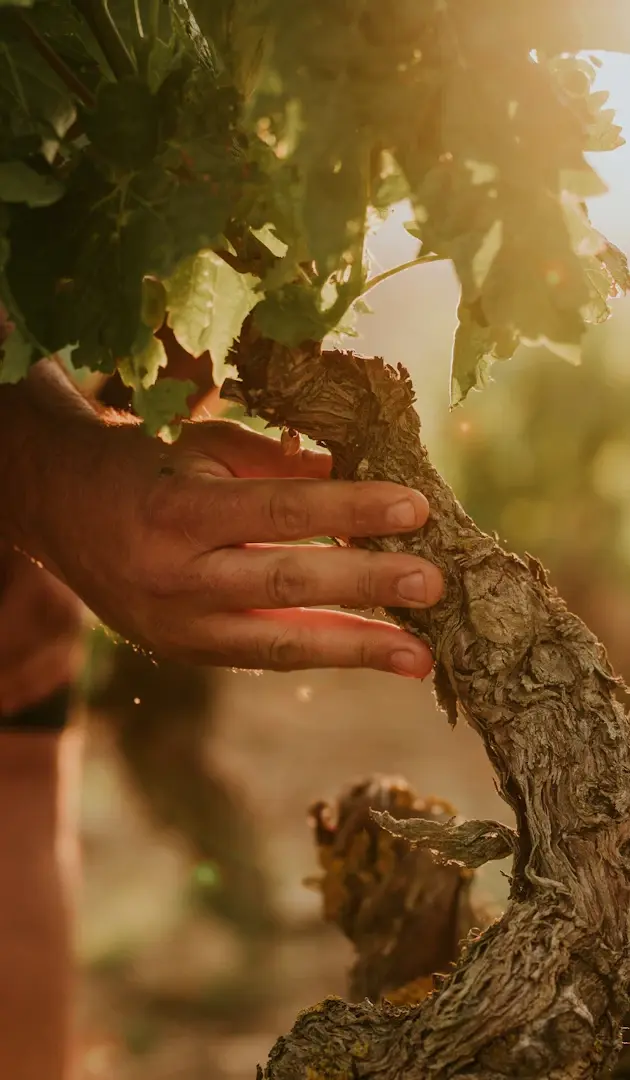
- Non-use of herbicides, substituted by traditional labour or manual weeding.
- Elimination of the use of chemical fertilisers and composts, substituted by natural manure.
- Synthetic phytosanitary products are substituted by copper, sulphur and sexual confusion techniques.
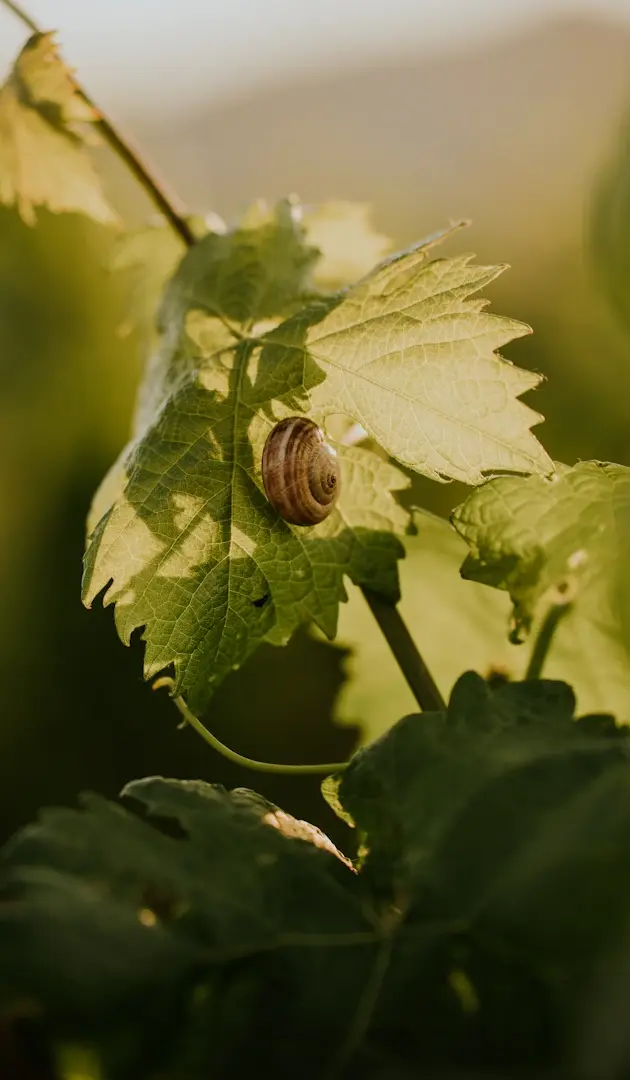
- Biodynamic agriculture techniques, where we emphasise the interrelationship between the soil, plants and animals, treating the whole as a system in equilibrium, protecting beneficial fauna and preserving and improving soil fertility.
- Meticulous selection of varieties adapted to each area.
These types of practices largely represent a return to the roots of traditional viticulture and require greater attention to the vineyard. The health results of the grape and the vineyard in general, even in the least favourable years have been good, the quality of grapes and productions demonstrating the possibilities of these cultivation techniques for Rioja.
02. IN THE WINE CELLAR
From our origins, Dionisio Ruiz, the founder of Viña Ijalba, was aware of the need to use the application of oenological practices to produce “healthier”, quality wines. As a result of the work carried out in the field of conversion toward more ecological viticulture, in the 1998 harvest, we launched “Solferino 98” on the market, becoming the first Rioja wine produced under the La Rioja Organic Agriculture Control Body, followed by practically all other wines of the winery.
Environmental certifications and milestones attained:
- First Rioja winery to obtain the ISO14001 environmental certification granted by AENOR in January 2000. This seal establishes the requirements for an Environmental Management system, offering an international framework for organisations to control their environmental impact, improve their performance and comply with regulations.
- Management of own waste.
- Reduction of water consumption, treatment of waste water and control of discharges.
- Use of an innovative “green filter” system, included due to its originality in the European LIFE project for environmental protection (use of soil as a regenerator).
- Promoting energy savings, using cleaner energy, exclusively from renewable energy sources.
03. IN THE FINAL PRODUCT
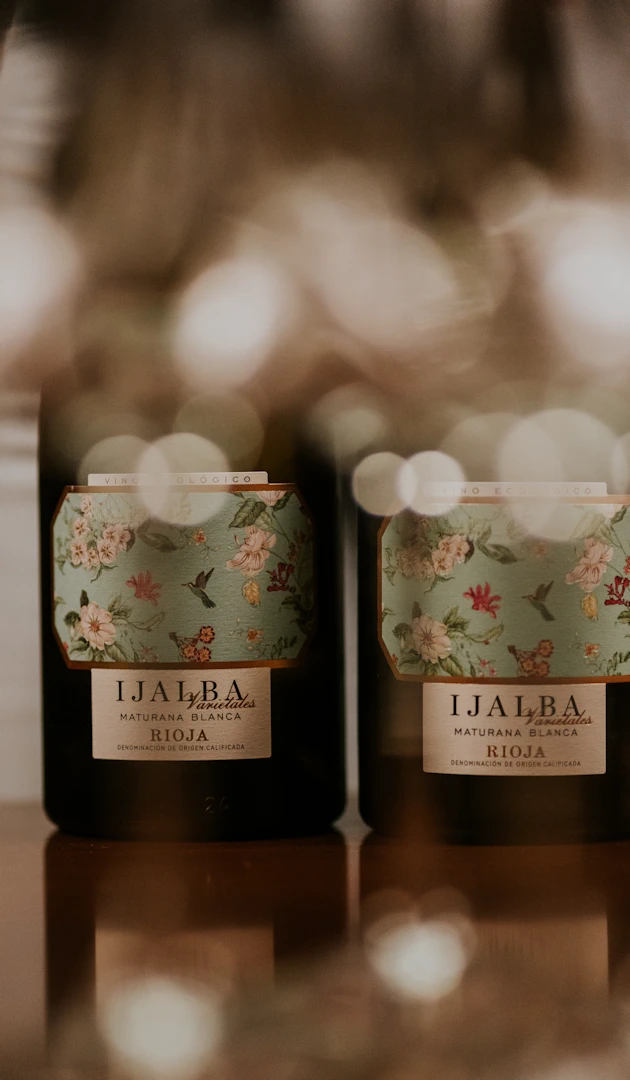
You will see all of this reflected on our back labels with this seal of the organic logo of the European Union.
Pioneers in organic viticulture in Rioja since 1994.